

Simulation Dynamics, Inc. · Since 1990
Manufacturing and supply chain simulation, 35 years deep.
We build custom simulation models and decision apps for lines, plants, warehouses and supply chains. You see what would happen before you spend the capital or change the schedule.
Trusted by 300+ organizations since the early 1990s
Tool agnostic
We don't sell software. We pick the tool that fits the question, or build the tool in house.
Some problems need a fast, rate-based model of a 1,200-bottle-a-minute line. Others need 3D animation that a plant team can walk through, or an optimizer wrapped in an app a planner runs every Monday. We have built all of these, in whatever your team already uses or in what fits best.
Three tools we know from the inside:
- ExtendSim: 35+ years of project work, plus the libraries we built for it, including the first discrete rate (bulk flow) engine.
- Plant Simulation: 15+ years and more than 50 projects, led by engineers who spent their careers in consumer packaged goods plants.
- ReliaSim: the third generation of our discrete rate method, for line reliability and OEE, validated within 1% of measured OEE.
We also build and curate simulation libraries inside these tools, so your own modelers start from tested equipment blocks. When a model outgrows the tool, we rebuild it in .NET, F# or C# so it runs in minutes and your planners can use it without us.
Where the tools came from
- 1990
Bulk flow simulation
Andy Siprelle creates the rate-based method for high-speed and bulk lines, later called discrete rate simulation.
- 1995
First paper, built on Extend
"Modeling a Bulk Manufacturing System Using Extend" at the Winter Simulation Conference.
- 1990s
SDI Industry libraries
Our libraries for Extend (now ExtendSim) become the standard way to model continuous and high-speed operations.
- 2000s
Plant Simulation, at customers' request
Clients who owned Plant Simulation asked us to move with them. Fifty-plus projects followed.
- Today
Models become apps
We wrap models in decision apps, and spun off ChiAha in 2024 to build them as products.
Model rescue
The three calls we get most
Much of our work starts with a model that already exists and isn't doing its job.
"We inherited a model nobody understands."
We read it, map its logic and data, check it against the line, and tell you whether to trust it.
Understand your model"It takes hours to run."
We find where the time goes and take it out. One model went from 6 hours to 20 minutes.
Speed it up"The tool can't do what we need."
When a problem outgrows the package, we build a bespoke model with the same logic, validated, and without the limits.
Go bespokeWhat we do
Five ways we work with manufacturers
Most projects start as a model and some become apps. You can start at whichever step fits.
Simulation consulting
Models of lines, plants, warehouses and supply chains, built to answer one decision: buffers, line speeds, staffing, capacity, inventory.
Simulation consultingCustom applications
The model, wrapped in an app your planners, analysts and executives run themselves, in the language of their job.
Custom applicationsSimulation libraries
Tested equipment blocks your modelers reuse in ExtendSim, Plant Simulation or other tools, built and kept current by us.
Simulation librariesInnovation
Test a new analytics idea on your own stack, drop the dead ends early, and turn the winners into production software.
InnovationEdge & IIoT
Apps on Siemens Industrial Edge that read the line in real time and coach operators while the shift is running.
Edge & IIoTCase studies
Work we can show you
Each one started with a question someone had to answer with real money on the line.
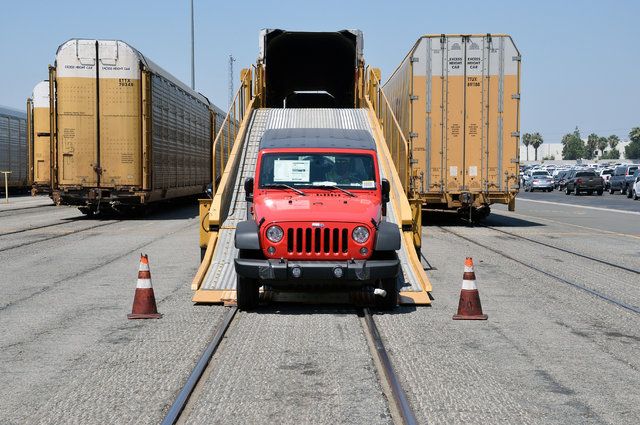
VINLogic: $21.7M saved in vehicle distribution
Forecasting a 2.5M-vehicle rail network: $21.7M saved and transit time cut 19%.
$21.7M inventory carrying costs saved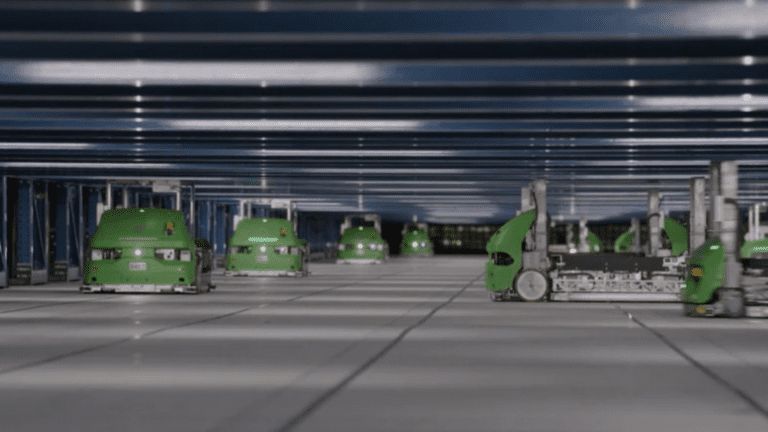
Robotic warehouse design: 94% productivity gain
Testing layouts and task rules for a robotic warehouse before it was built.
94% productivity improvement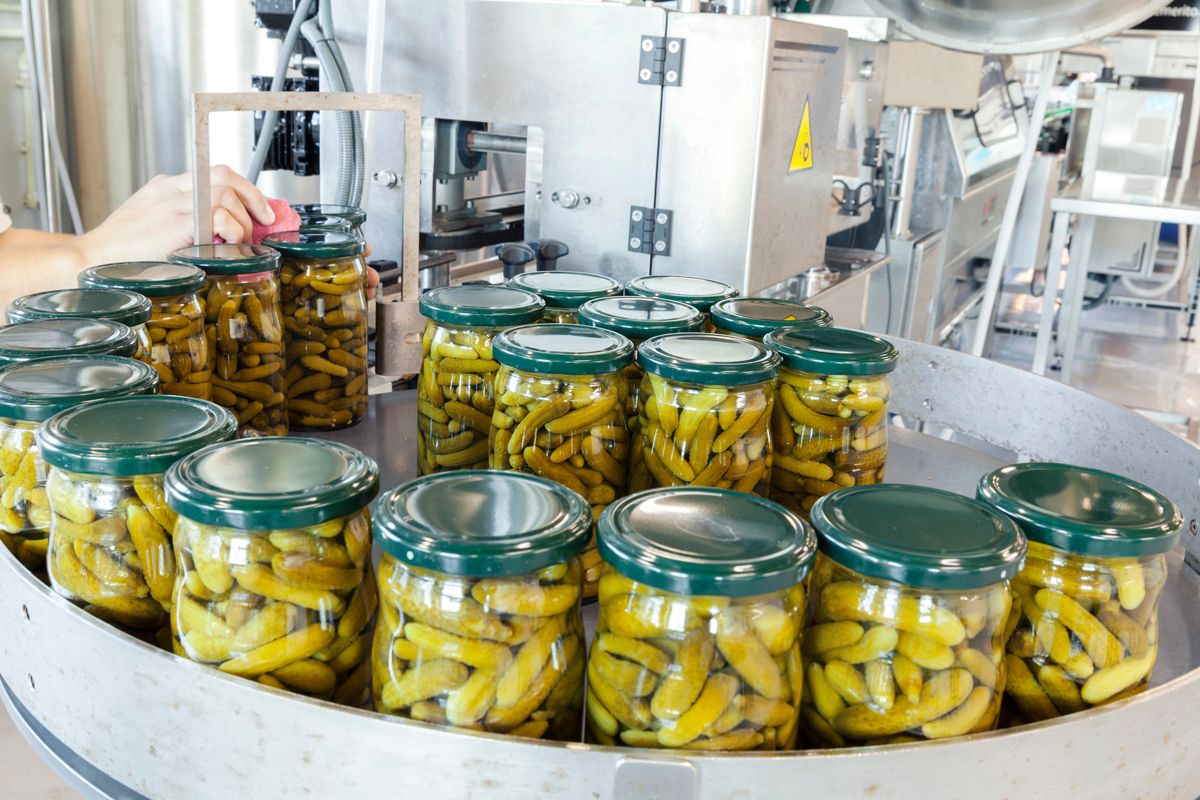
Olive plant capacity: 15% more throughput
Finding the real bottlenecks in an olive plant, and 15% more throughput from scheduling.
15% throughput improvement
Chemical bagging lines: capacity vs. overtime
Weighing new bagging lines against overtime, and finding low-capital room to grow.

Packing at the DC: inventory vs. bulk stock
Should packaging move to the distribution centers? The answer, product by product.
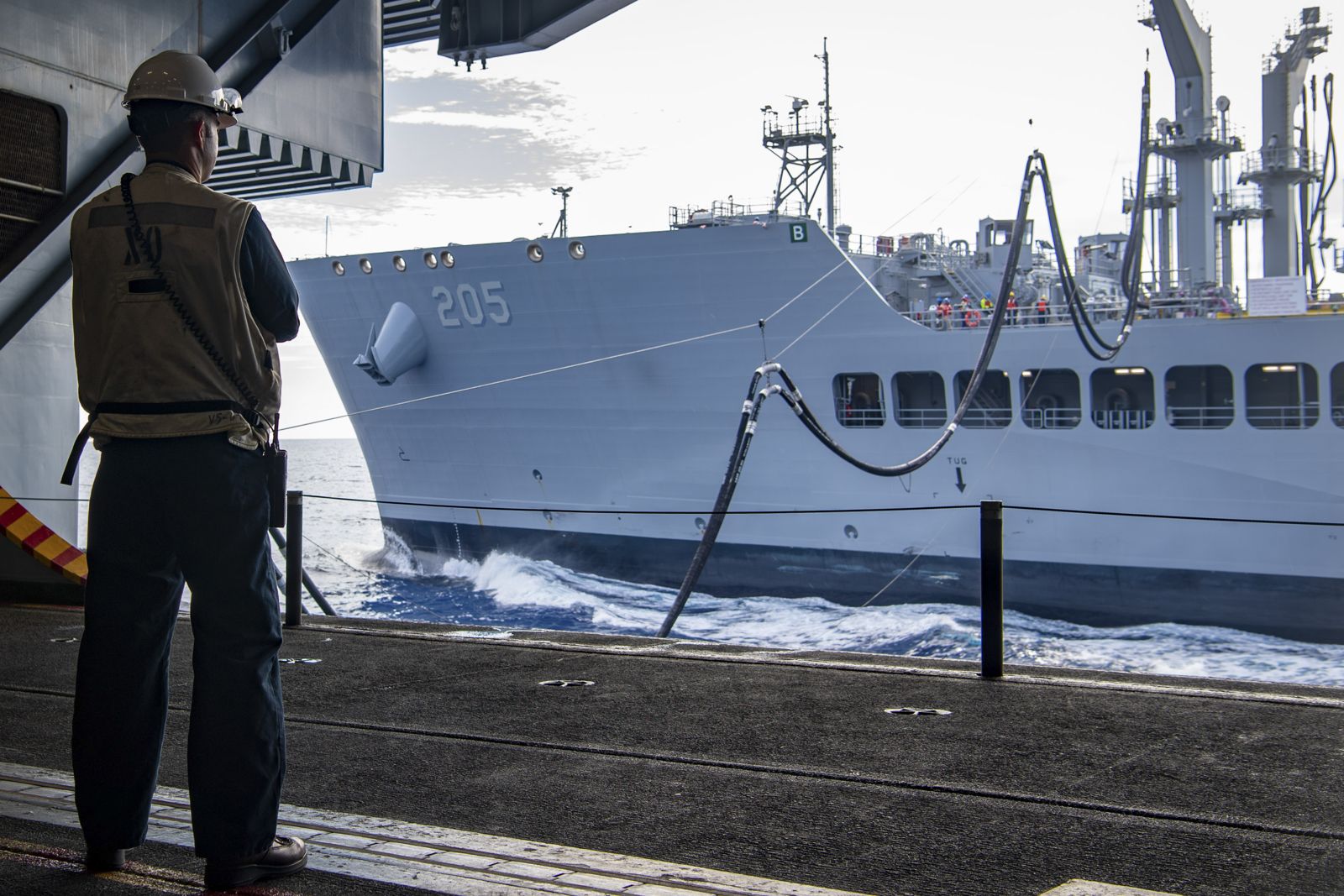
TLoaDS: resupplying Marine units from the sea
Can a force ashore be sustained from ships at sea? A model of the whole supply chain.
Discrete rate simulation
The method for modeling high-speed lines started here.
A bottling line moving 1,000 containers a minute is a flow, not a queue of parts. Andy Siprelle built bulk flow simulation in 1990 to model it that way, and the idea later became discrete rate simulation, now in every major simulation package.
We have written about it at the Winter Simulation Conference since 1995, and we still use it on packaging, food and bulk-handling lines.

Tell us your problem
What would happen if you changed it?
Describe the decision in front of you. We'll tell you whether a model can answer it, and what it would take.
- A straight answer on whether simulation is the right tool
- Which tool fits, even if it isn't one we use every day
- A rough scope and timeline, before any commitment